
Herald is the moth I have got to know best. I monitor them through the winter and have reared them from keeping mating adults caged in my living room to watching the eggs hatch, caterpillars grow and pupate, finally releasing the next generation of adults back into the wild.
It is a beautiful moth, widespread and quite common across much of the northern hemisphere. Yet there are still mysteries about the way it lives its life to be uncovered. This page documents the life cycle through my own observations.
A year in the life…
Each year, from August until the following April, I spend a lot of time seeking out Herald moths for the Hibernating Herald project. One spring I removed a few Heralds from a culvert where over a hundred had been overwintering. I pur them in a large cage I had made from the carcass of an old chest of drawers, added a potted sallow, a choice of food sources, and kept an eye on proceedings.
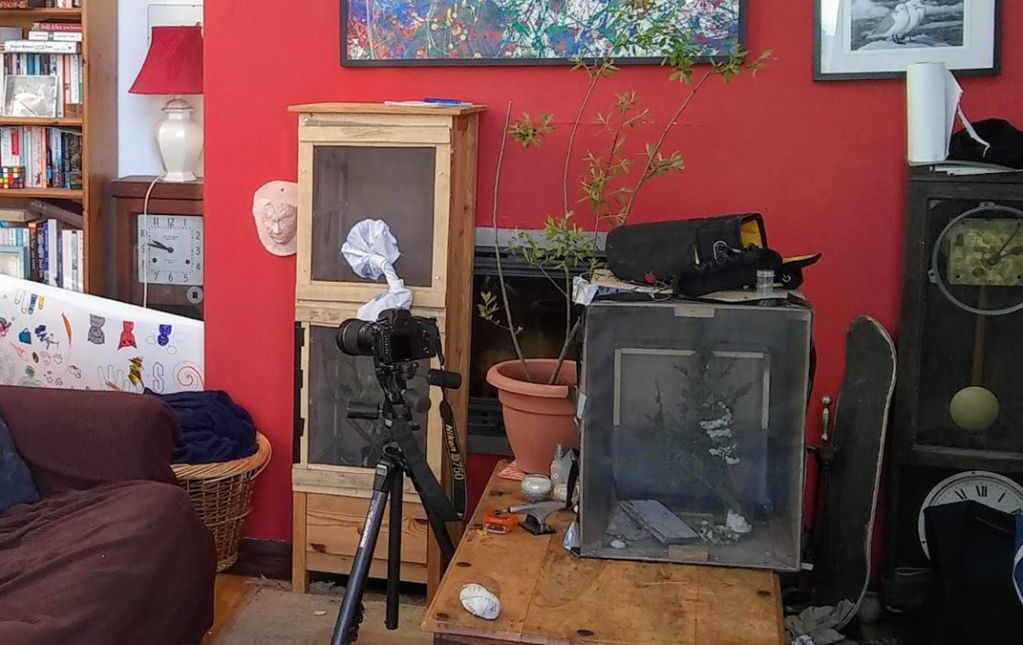
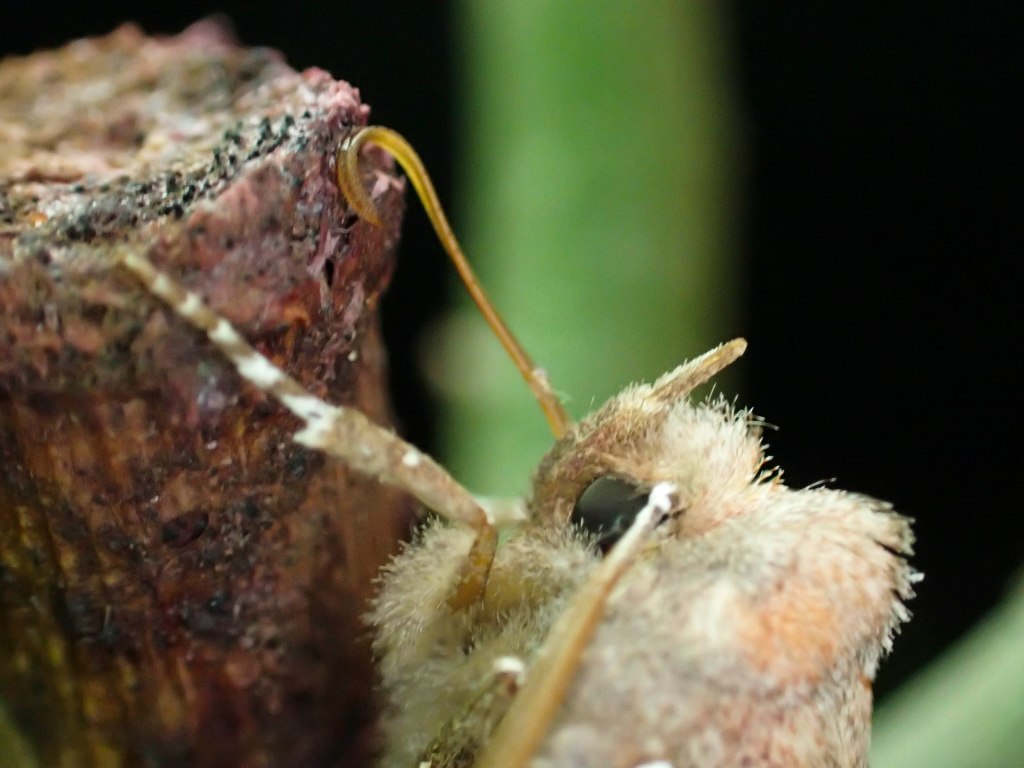
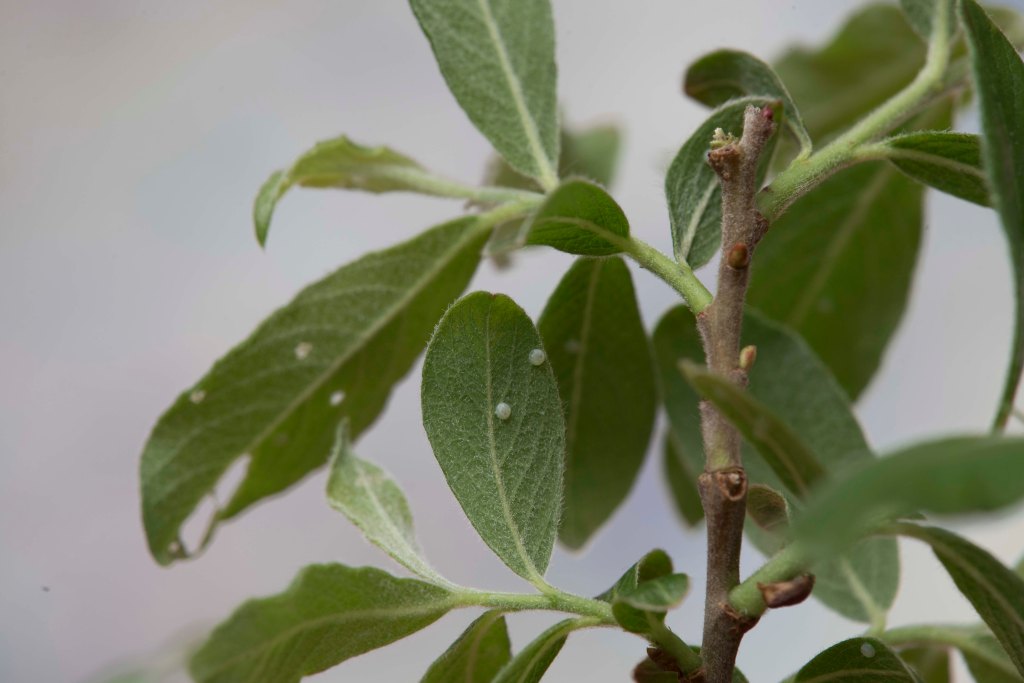
By day the moths did nothing. But as soon as it became dark outside they woke up. I watched them feed on Cherry, Sycamore, sallow, sugar solution and raspberry fruit. I have some amateurish videos here. They mated, remaining co-joined throughout the following day. A couple of days later, as the female hovered around the plant, eggs were laid. She cemented singly on leaves and stems. Individuals mated more than once and with different partners.


Just over a week later the eggs hatched. Some caterpillars started feeding on leaves immediately, others spun a silk thread and adventured to alternative leaves. Within the confines of the cage their destination was limited, though I did find some on the back of the sofa: Herald Houdinis.
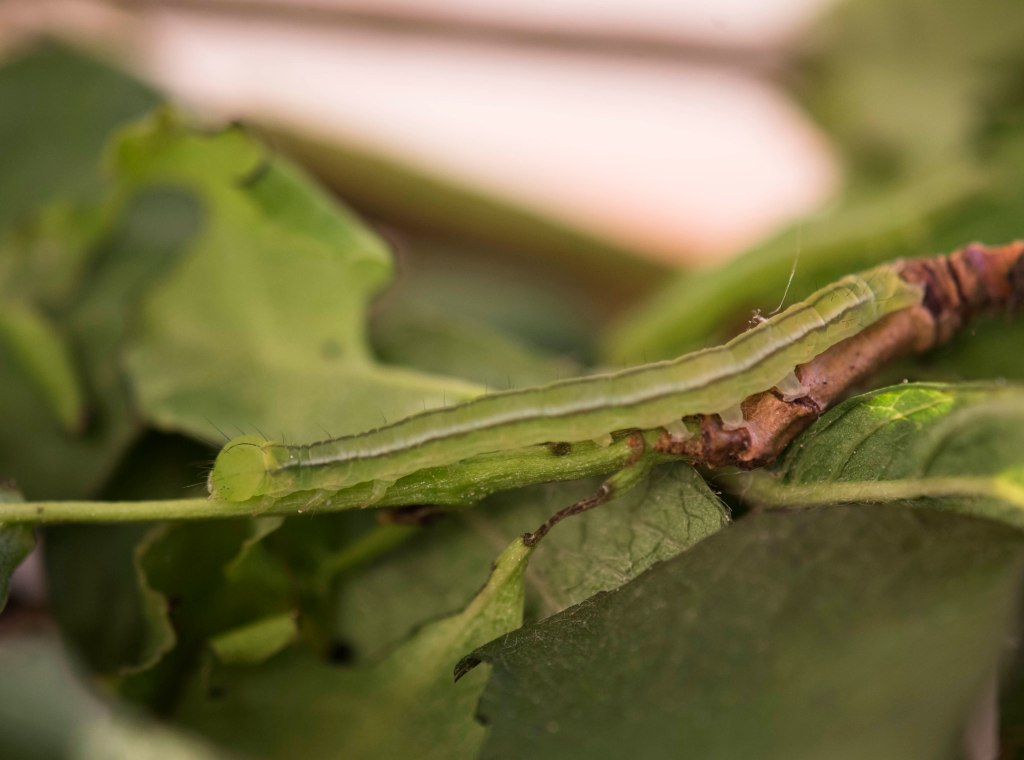
The caterpillars ate and grew and moulted and ate some more. The potted willows were soon defoliated and I had to harvest leaves from a tree outside. They also tucked into poplar leaves. About eight weeks after hatching the now chunky caterpillars developed large black spots on each side of their head, gave up feeding and spun themselves into a tent of two leaves. With a final moult, they became a bright green pupa, quickly darkening to black.



Another month or so later and it was time for adults to emerge. The moths were expert at waiting until my back was turned, before escaping their pupal case and I missed almost all of about thirty hatchings. However, I did have the privilege of seeing some emerge and even thought to make a video of one (available here, speeded up)


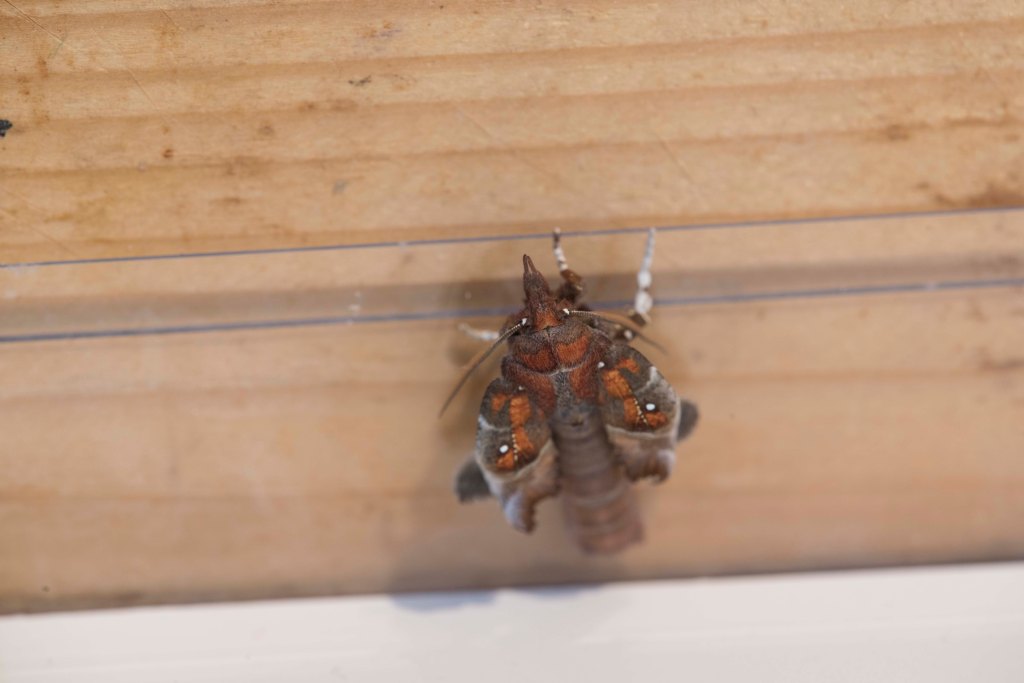


I kept the new adults in large cage with a supply of raspberries to feed on. Then I marked their wings with a dot of red or blue and released them inside the culvert from which their parents had come. It was the end of June; ‘wild’ moths start arriving in overwintering sites from early July so my moths were perhaps a little ahead of their wild-grown contemporaries. Over the course of the next few days, about two-thirds left the culvert, one was intercepted by a spider, the rest remained and survived through the winter.
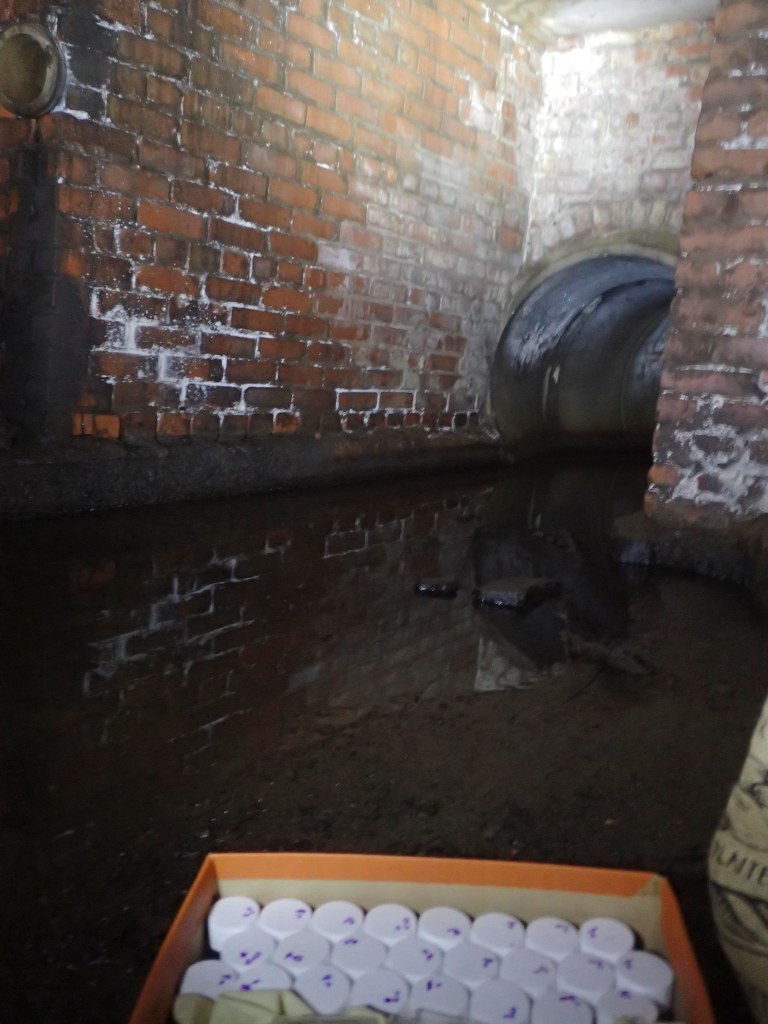


Rearing the Heralds from adult to adult was fairly straightforward, but required me to be around to tend them regularly from May until July. I’d do it again, when I know I’ll have the time, as it provides an unrivalled insight into their lives.
 Moth World