
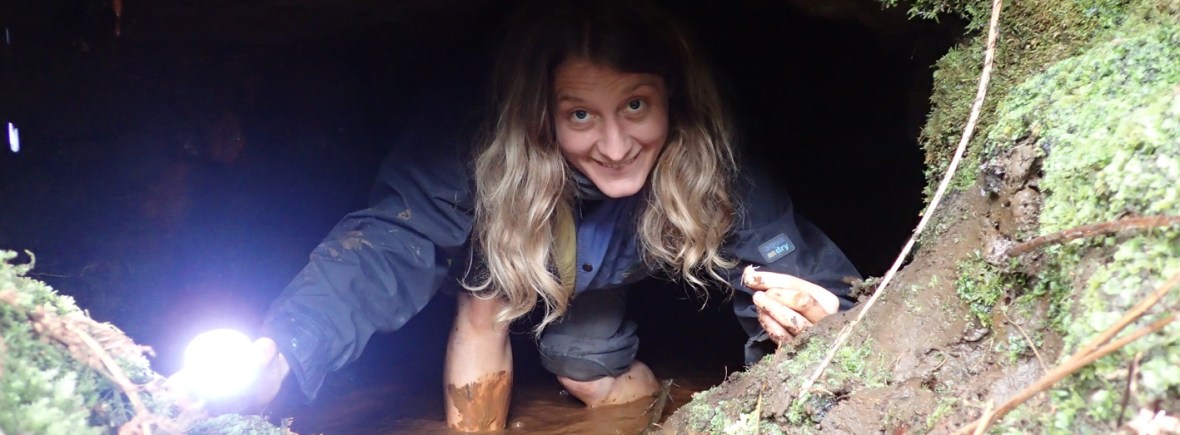
Going underground in search of moths.
What does a moth enthusiast do in the depth of winter when there are few species are on the wing? Upload moth records from the previous year, perhaps. Maybe repair equipment or even spend time with family and catch up on sleep. Or they could grab a torch and head outdoors (whatever the weather) to seek out moths that spend the winter months hiding in caves, tunnels, outbuildings and other dark shelters.
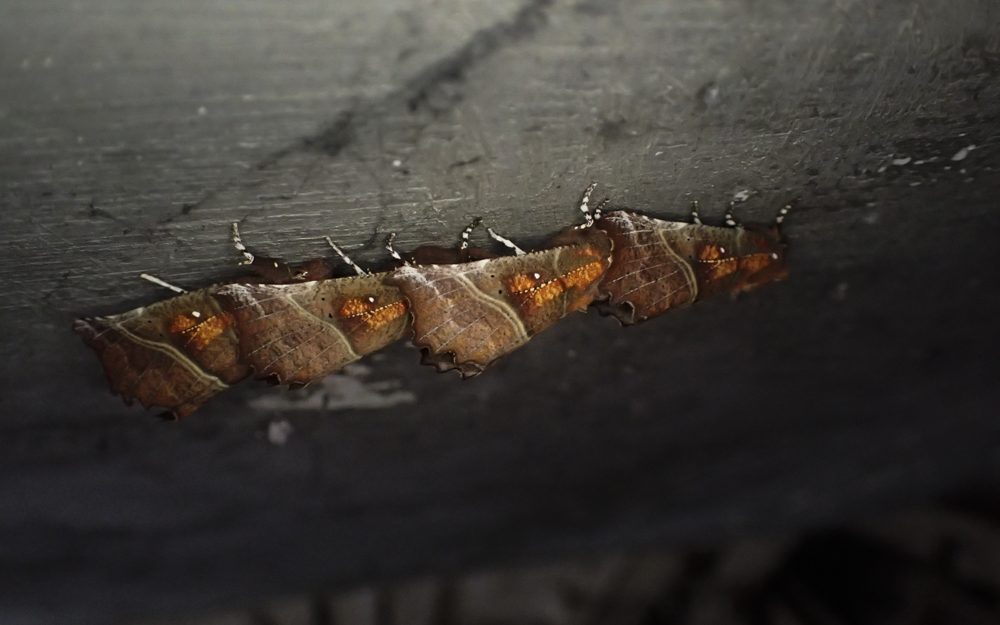
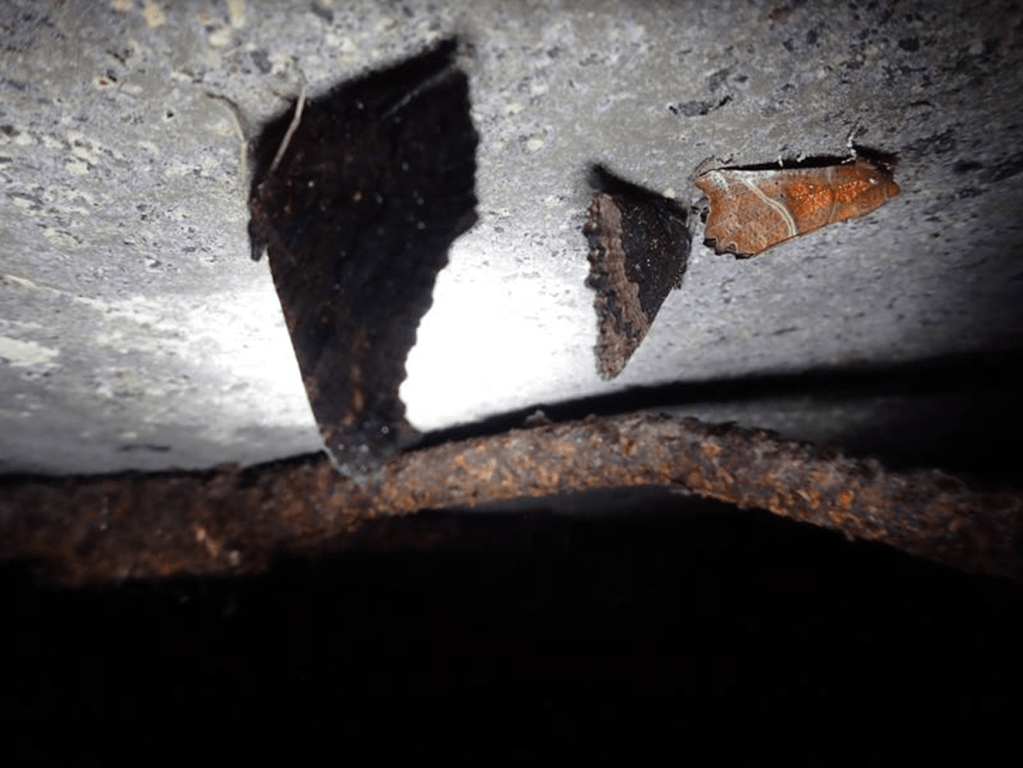
The Herald (Scoliopteryx libatrix) is a beautiful orange-brown moth that is found throughout the UK. Adults spend the winter months (sometimes from August until the following April) sheltering in dark places. Fortuitously, many of the spaces they choose are large enough for curious humans to enter. Therefore Heralds can be counted and monitored through the winter. This has been the focus of the Hibernating Herald project in Scotland. Anyone can contribute, moth enthusiast or not; all that is needed is a decent torch and a sense of adventure.


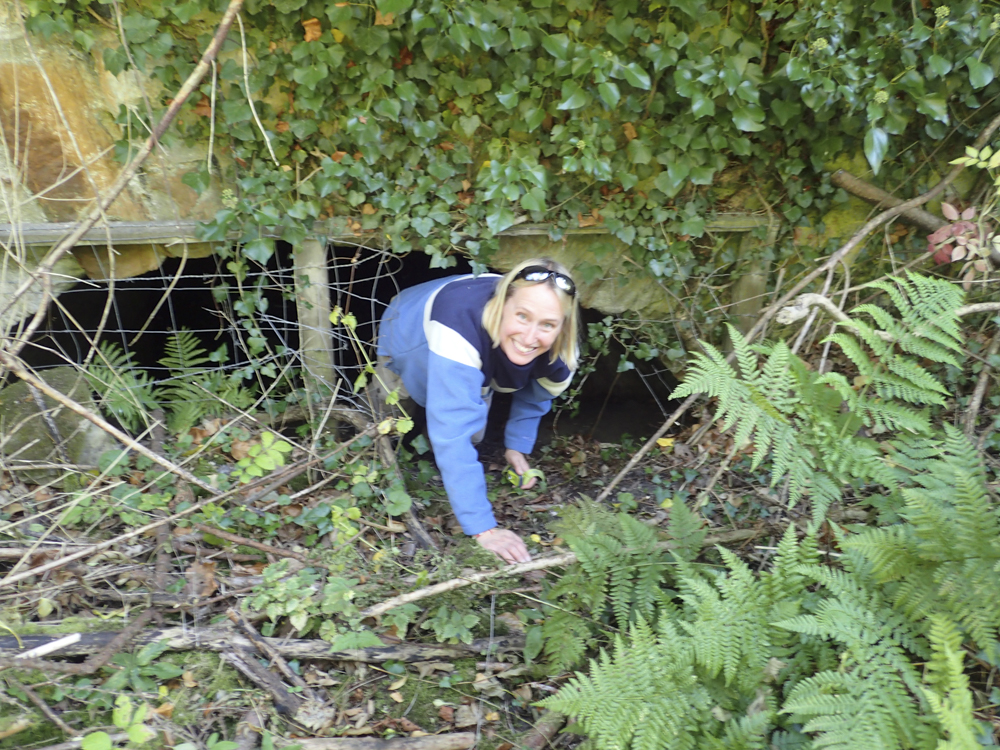

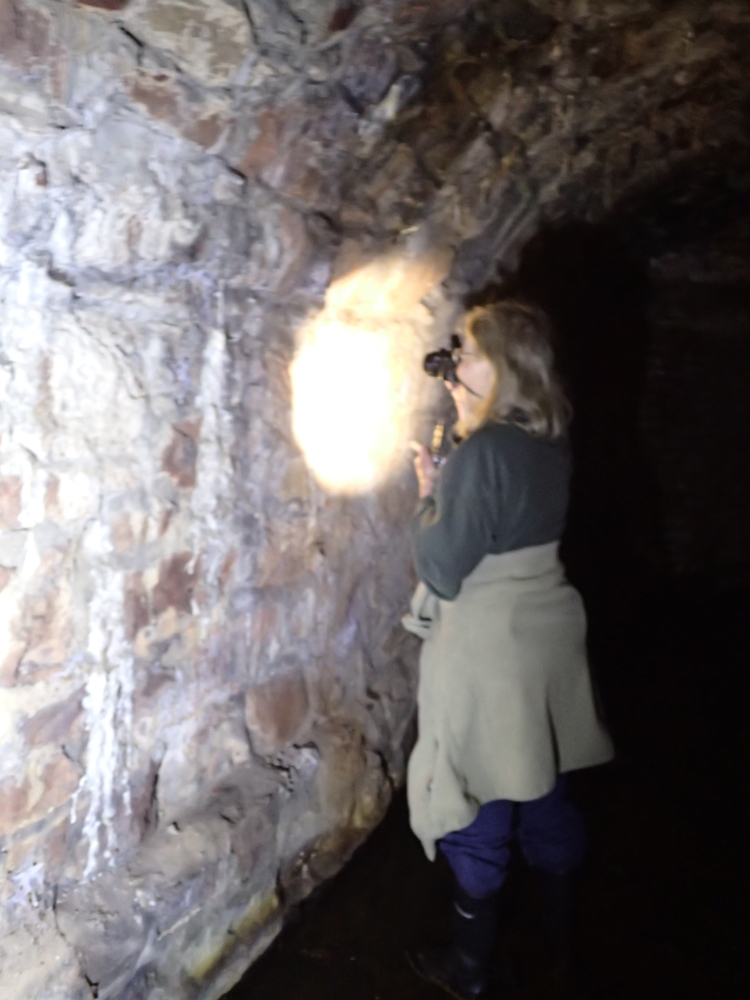
Since 2016 over a hundred people across Scotland have added observations to the Hibernating Herald project, resulting in a much more detailed knowledge of the distribution and abundance of Heralds in this part of the UK. Regular monitoring of sites in the Lothians allows year on year comparisons of abundance as well as more detailed information about the fates and fortunes of the moths during this time.
Updates are posted regularly on the Hibernating Herald facebook group and an annual summary is usually uploaded on Butterfly Conservation’s East Scotland Branch website. [See also the Publication and Moth pages here].
Here are a few observations:
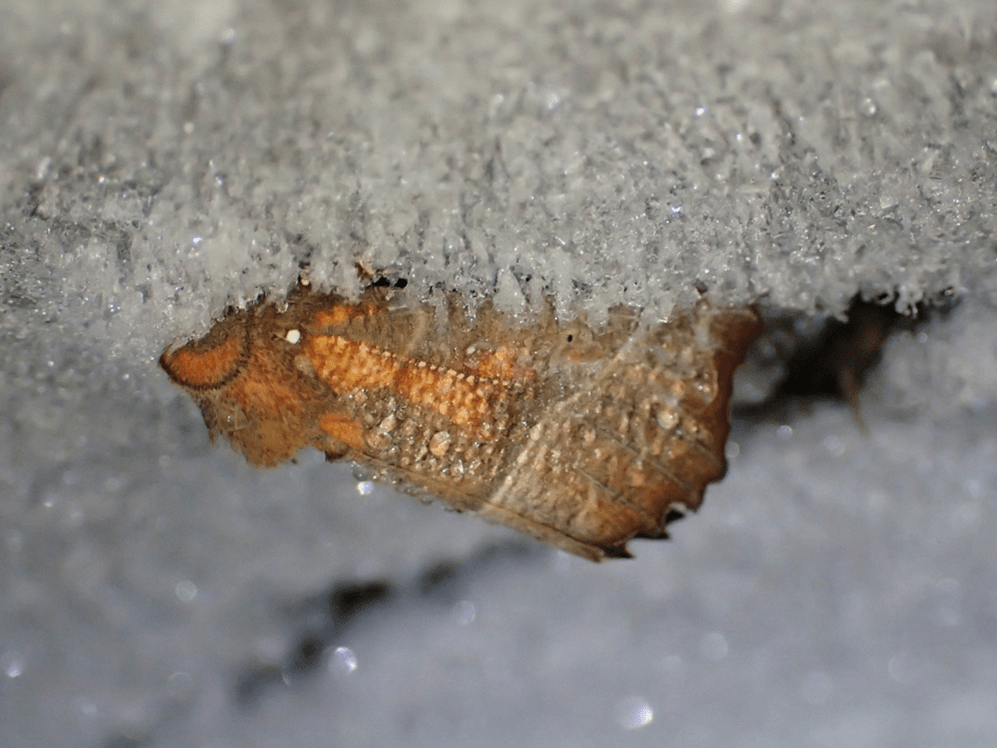
1: In very cold weather Heralds can get ‘frozen in’. They survive the freeze apparantly unscathed, though we have no idea if subsequent reproductive success is affected.
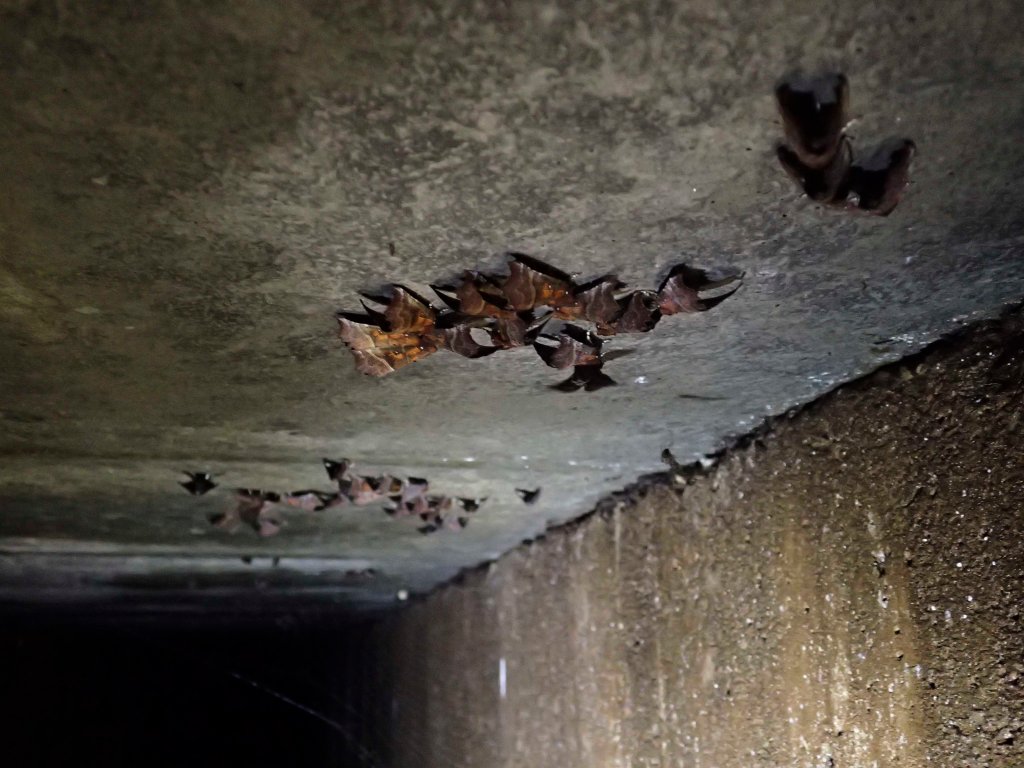
2: Most sites accommodate fewer than 10 Heralds, but there are a small number that regularly have over 50. One culvert in the Lammermuir Hills has supported over 250 overwintering Heralds in most years of the survey so far. An impressive sight!

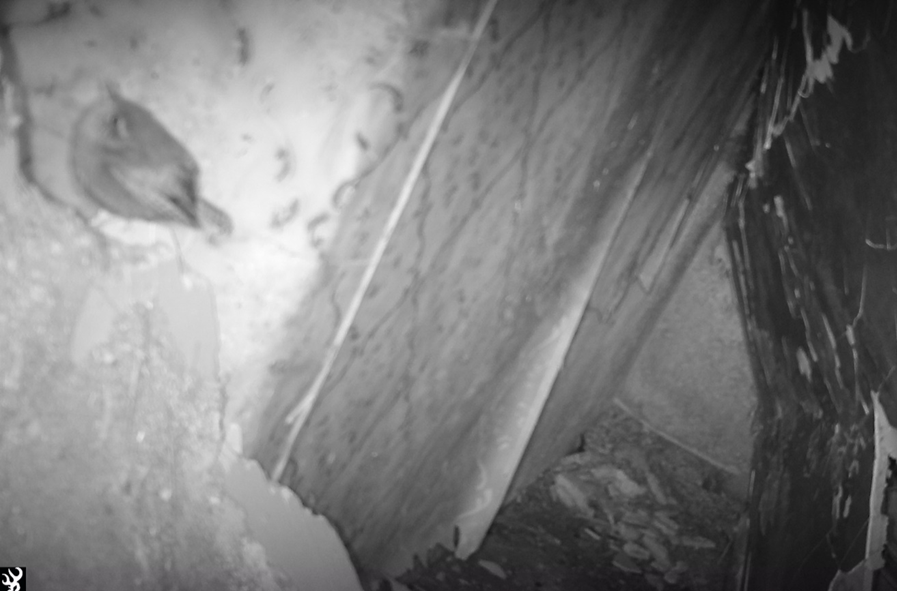
3: In some sites, many and sometimes all the overwintering Heralds are predated. Thanks to a trail camera, we know wrens are one culprit.The same sites suffer high predation rates year after year, but the population can cope; numbers of next generation Herald arriving the following Autumn are not reduced.

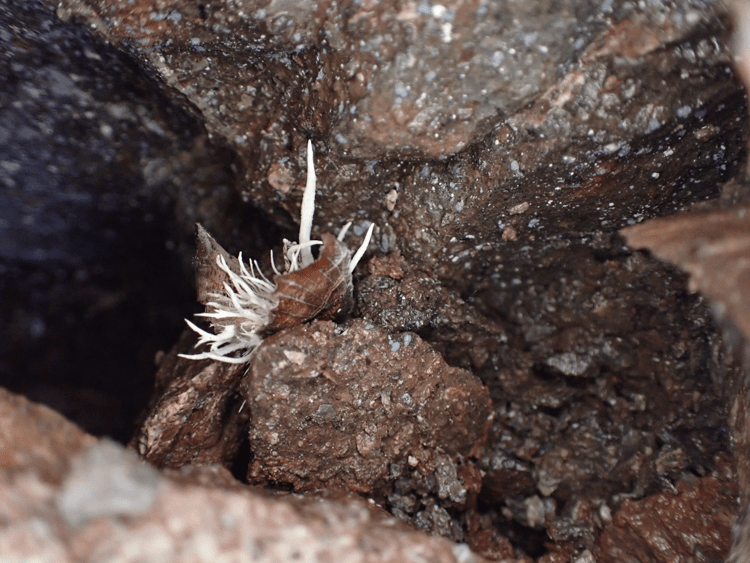
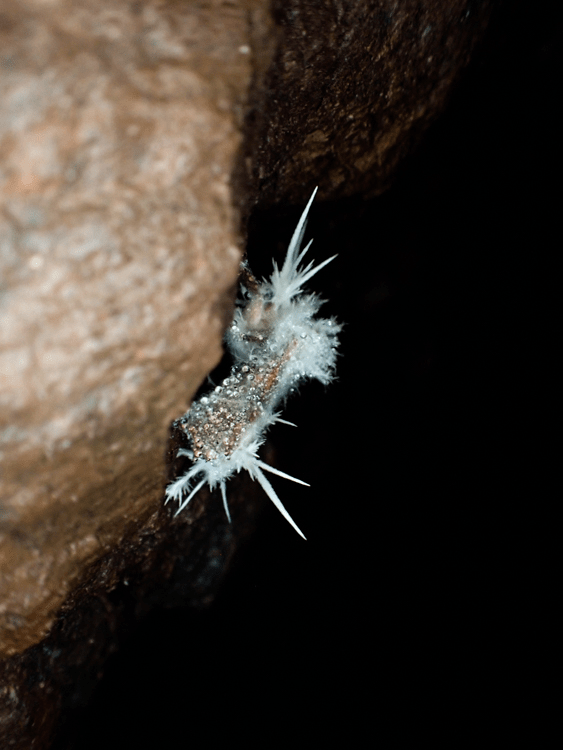
4: Impressive-looking entomopathenogenic fungi also kill overwintering Heralds. Isaria farinosa is one species we have identified. It remains unclear how Heralds become susceptible to infection but infection rates are much higher in some sites than others.
Despite the name, the HibernatingHerald survey isn’t just about Heralds. In fact, it was the discovery of another moth, a Tissue (Triphosa dubitata), in an East Lothian ruin that started the whole idea of a underground moth survey. The Tissue is found in very small numbers at a handful of sites in southern Scotland. Encounters are infrequent but perhaps all the more exciting because of it, and we are starting to unravel a little more of its life in Scotland (it is a different story further south, where Tissue are far more abundant).
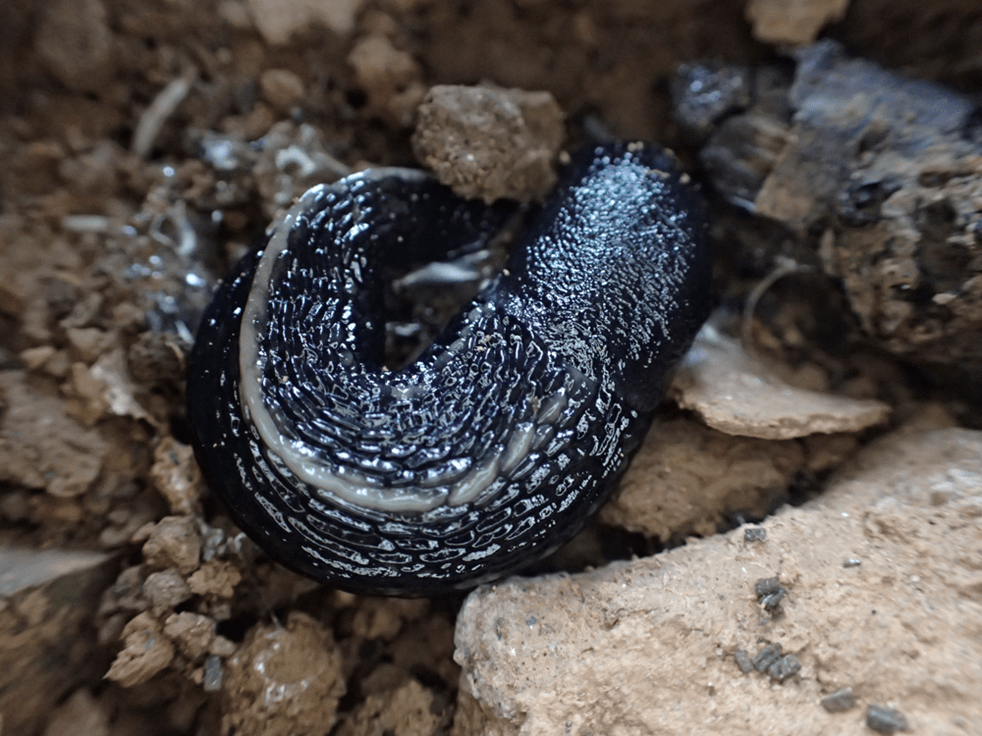
We also come across other species of moths, hibernating butterflies, slugs, wasps, spiders and more! It turns out these habitats are not well explored by naturalists in winter. Why not grab a torch, find a dark place, and see what you can find?


 Moth World