
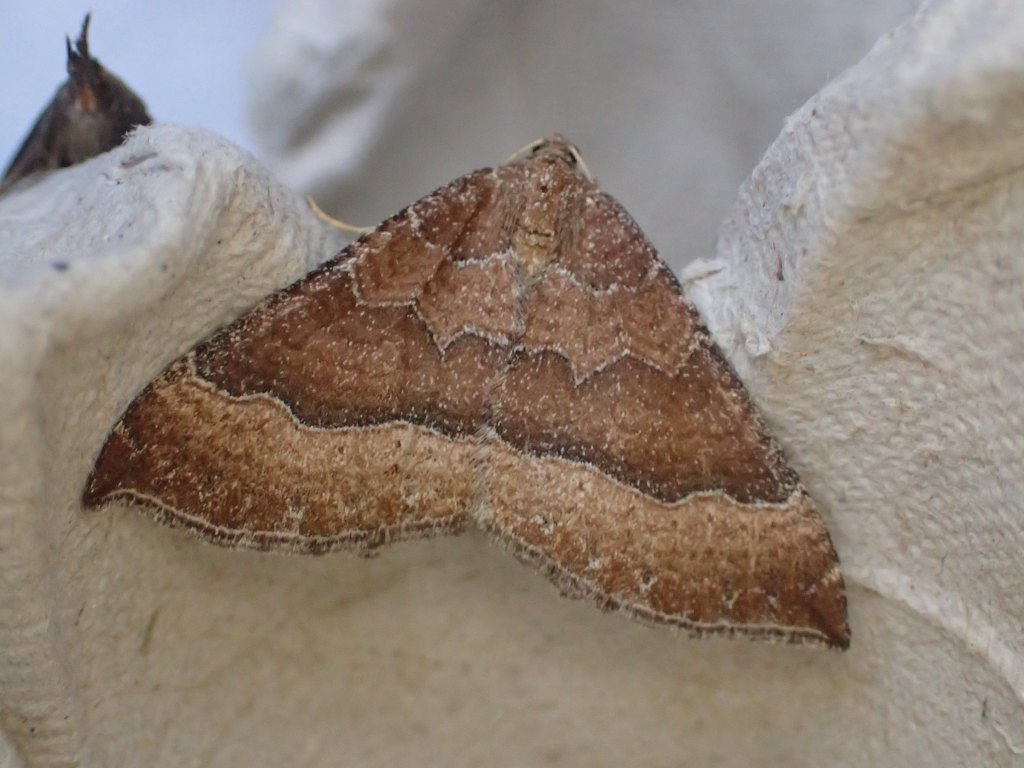
Mallow (Larentia clavaria). It is a beautifully understated moth, with layers of rich chocolate browns sparsely dusted with sugar-white specks. Last seen in East Lothian in 1932 and not recorded in Scotland since 1959, until recently the Mallow was considered extinct in Scotland.
Then in September 2019, one appeared at the bottom of my light trap in a local wood. Vey exciting!
Was my moth part of an established population, or a one-off wanderer from afar? Finding one of the nocturnally-active caterpillars the following summer could provide an answer.
The near-eponymous Common Mallow (Malva sylvestris) is their most often-reported food plant, but caterpillars also eat other mallow species as well as Hollyhock. In East Lothian, Common Mallow grows in mostly small and sparsely scattered clumps along road verges. Tree Mallow grows well on some of the islands, though thanks to efforts to remove the plants to help nesting puffins access their burrows, it is nowhere near as abundant here as it once was. Hollyhock is in a few gardens, but perhaps not as popular a bedding plant as it once was. How could I check all these potential food-sources for caterpillars?
Mission Mallow was launched in spring 2020 amidst those difficult days of Covid-19 and lockdowns. The aim, to gather records of mallow plants from anywhere in Scotland and to encourage follow-up nocturnal visits to look for caterpillars in June.
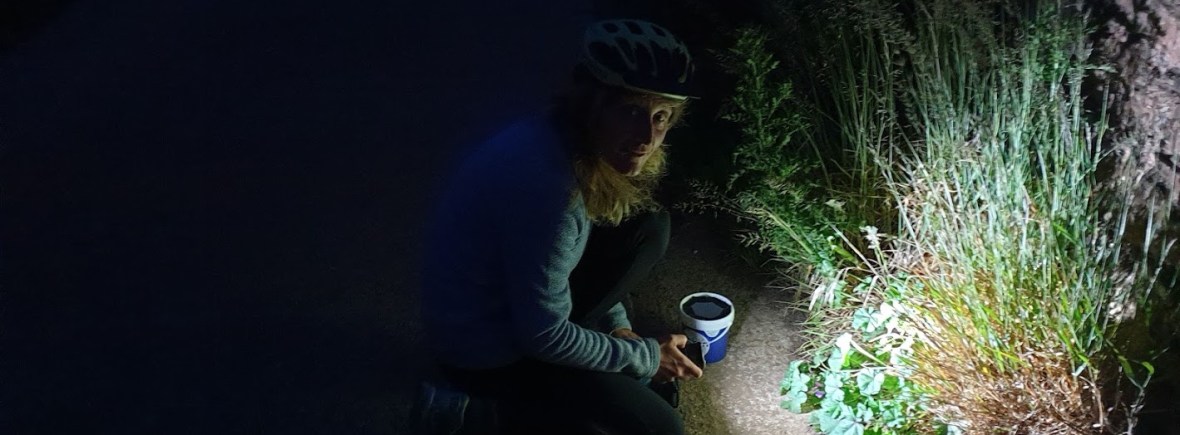
Darkness doesn’t come until after 10pm at this time of year. Add to that the less-than-salubrious locations that Common Mallow tends to flourish and it turned out few people were willing to go caterpillar hunting on my behalf. However, plenty of plant records came in and in the corner of East Lothian I managed to search after dark, Mallow moth caterpillars were found.

Common Mallow is an ephemeral plant of disturbed waysides and margins. It can withstand some cutting and probably benefits from the surrounding vegetation being kept in check. But getting a regular flail throughout the summer doesn’t allow for much growth; the plants growing in most roadside verges I visited were small. During the day, the caterpillars hunker down at the base of vegetation which must help save them from the chop, but even so casualties are likely and on these bonsaied plants I found few caterpillars. One day, returning to a promising patch after dark, I discovered the strimmers had been out since my daytime visit and a single caterpillar was looking in vain for leaves on a severed stem.
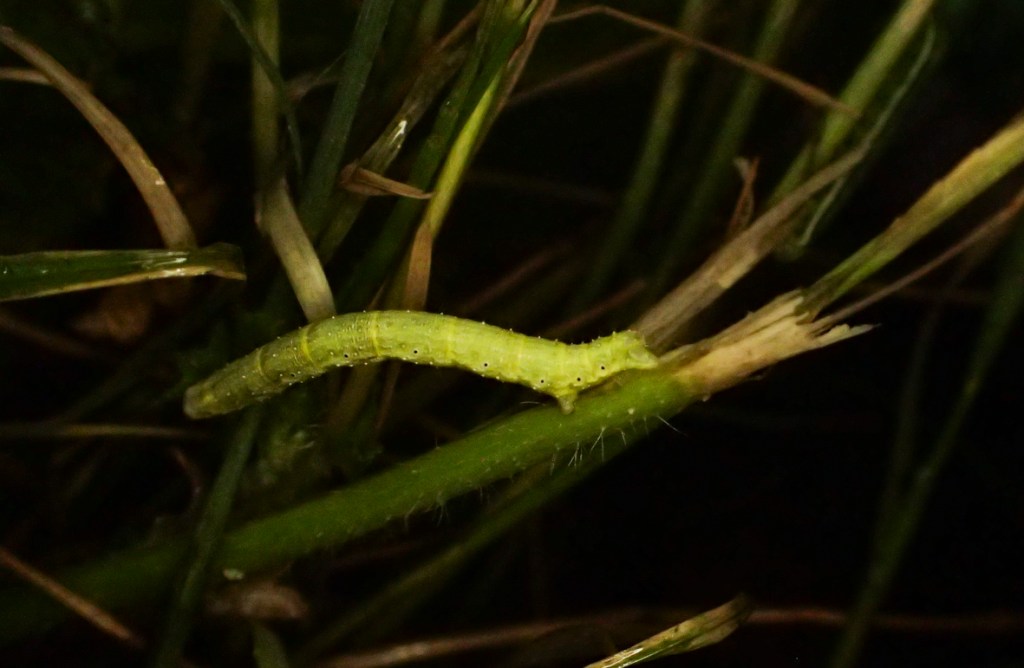
In contrast, on a local farm track where Common Mallow is left to grow unhindered, each June since 2020, I’ve enjoy restorative nocturnal outings, watching many Mallow caterpillars along with other invertebrate night-life, going about their business in the undergrowth.
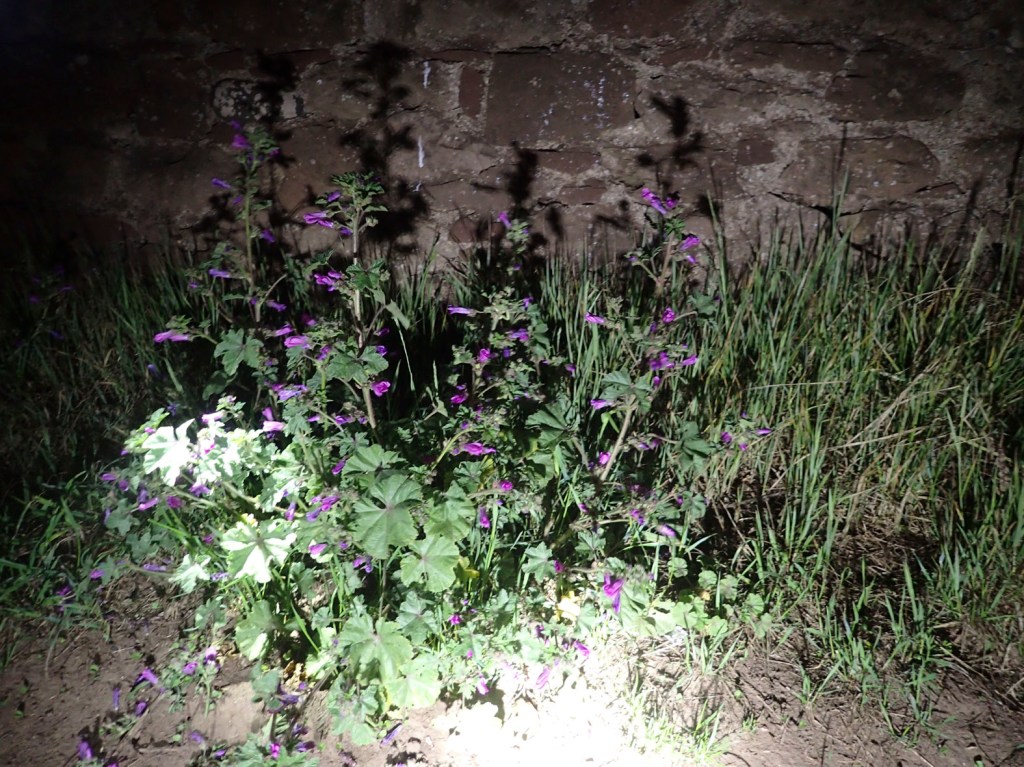
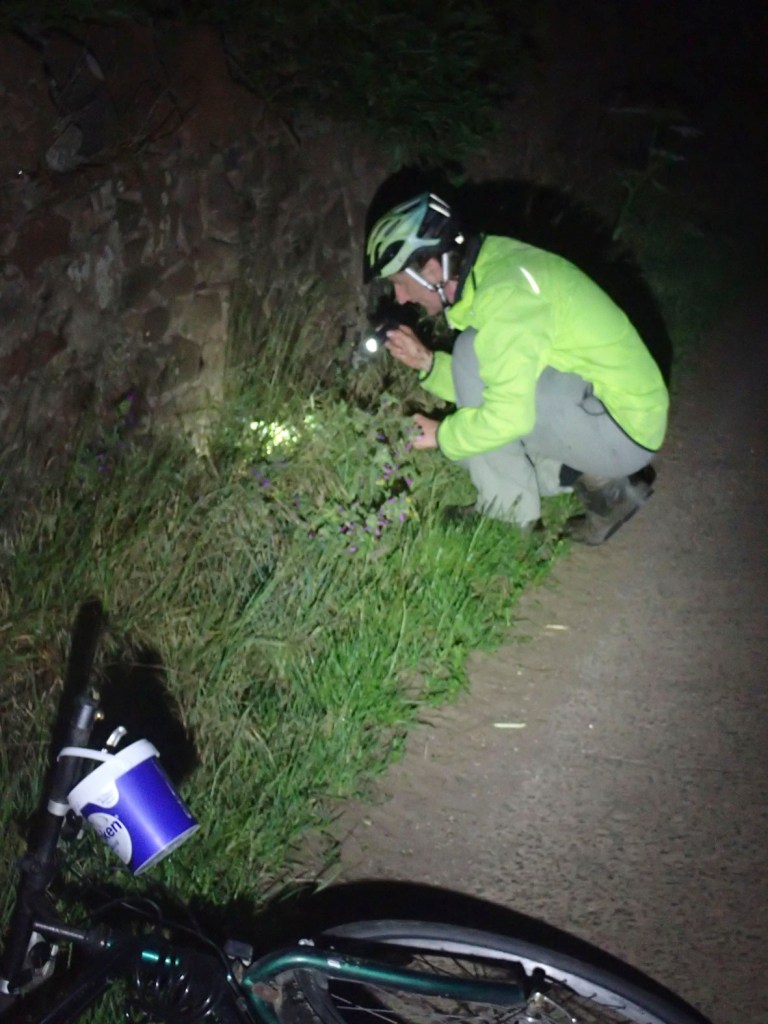

In 2022, the known Scottish distribution expanded into Midlothian. One night, Mark Cubitt and I explored the pavement edges and industrial estate boundaries of Leith and discovered some caterpillars munching away. Where else does this moth live in Scotland?

 Moth World