
Is it possible to have a favourite moth? Probably not, but for me Tissue (Triphosa dubitata) comes close. Beautiful and enigmatic with so much we just don’t know about its ecology and behaviour in Scotland. In my pursuit of trying to find out more, it has led me on some wonderful adventures and introduced me to new friendships.

Lifecycle: Tissue spend the winter as adults. During this time they hide away, sometimes in caves and mines but probably also in tiny cracks and crevices sheltered from the elements and predators. In springtime they emerge to lay eggs and then die. The hatching caterpillars feed during spring and summer, pupate and the next generation of adults are on the wing by August, ready to mate and overwinter.
Unique patterns: The beautiful waves, lines and blocks of black patterning on the silvery-pink wings give each Tissue a unique identity. By comparing photographs of the moths on the walls of overwintering sites it is relatively easy to identify individuals from one visit to the next. In the caverns of Yorkshire where there can be hundreds of individuals, this is perhaps too overwhelming a task but in Scotland where we get super-excited when there are as many as four in a site, recognising individuals is useful. It turns out there is often a completly different set of moths in residence from one visit to the next. Sometimes an individual from one cave turns up in neighbouring cave a few weeks later. Unlike their cave-mates the Herald, Tissues remain active throughout Autumn.
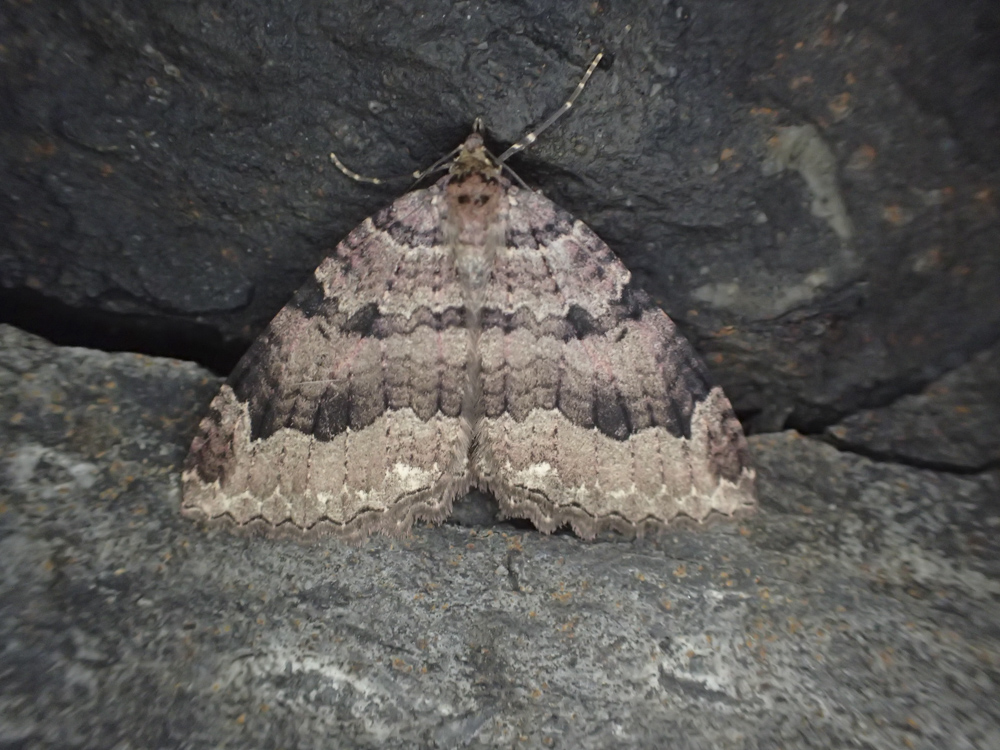
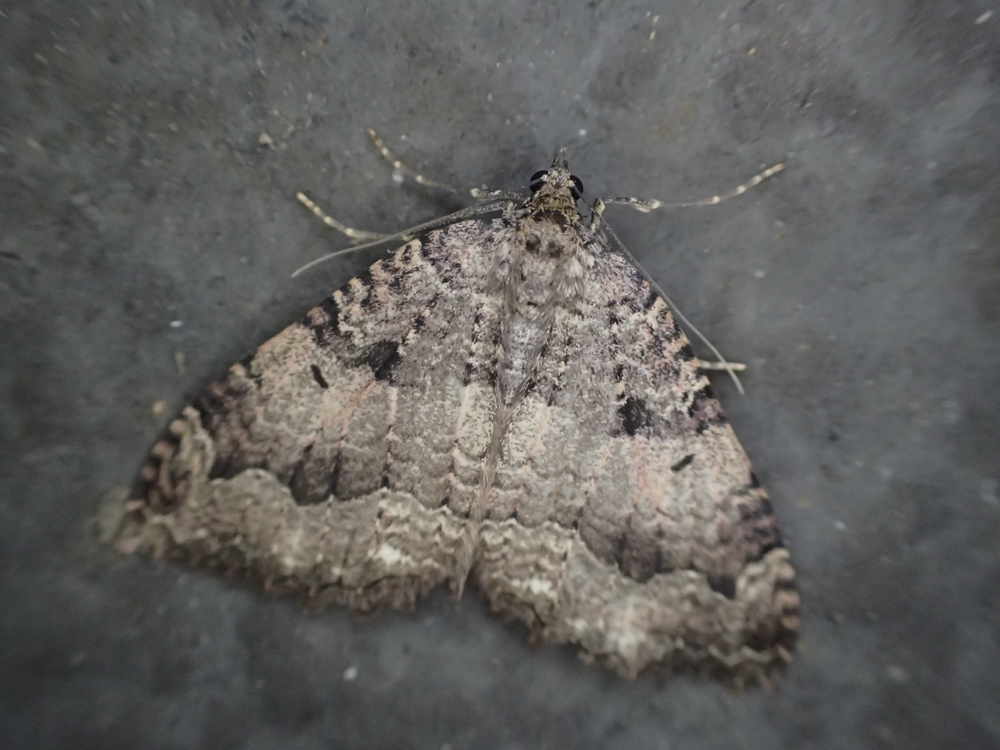

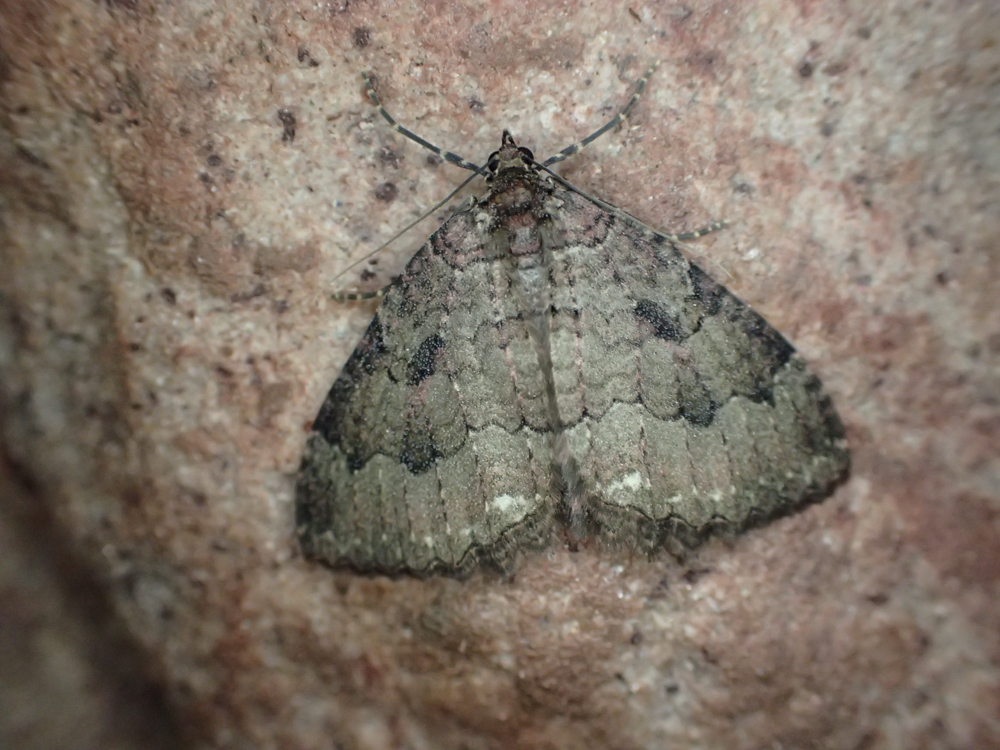
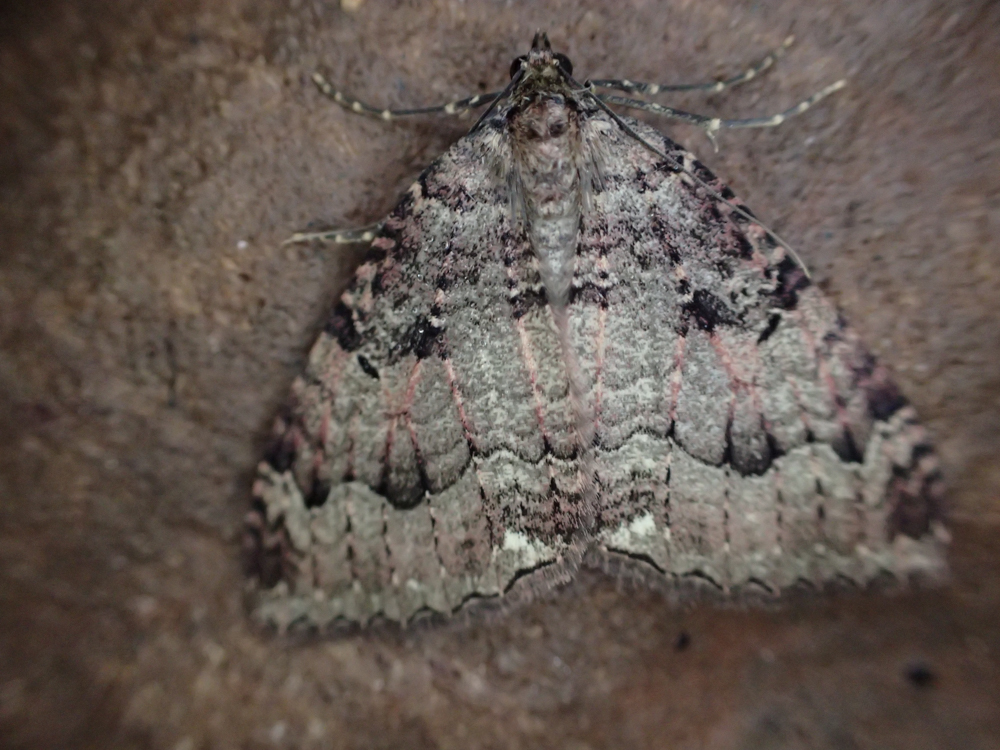
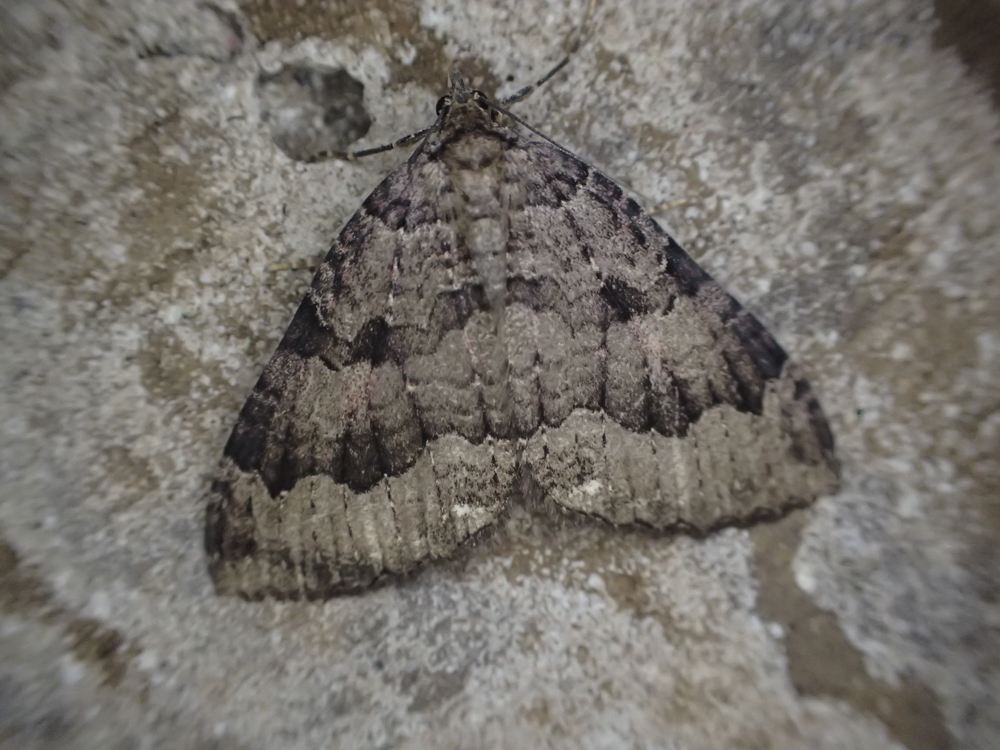


One of the reasons I like Tissue, is their enigmatic lives. There is still much we don’t know.
Mystery 1 – Males’ mating strategy: It is widely documented that mating occurs in Autumn. It definitely does; I and others have photographic evidence to prove it. In Scotland, most mating is seen in caves and mines in September. Both males and females can mate multiple times and with different partners. In Scotland, as the year comes to a close, the males disappear and by December it is only females around. We assume the males have died. This makes sense. Why bother to overwinter if you are a male that has already mated?
However… in Yorkshire, some males break these rules. A few do last in caves throughout the winter and a few do mate in the spring. Are these males that missed out at the start of the season, or are they holding out for as long as possible to be sure to mate with successfully overwintered females, and perhaps also be the final (and therefore most successful) father? We don’t know, but there is an intriguing mixed strategy going on, in Yorkshire at least.

Mystery 2 – Scottish diet: Purging Buckthorn and Alder Buckthorn are the most commonly quoted foodplants of Tissue caterpillars; the very same plants that Brimstone butterflies feed on. In England and Wales these plants grow reasonably widely, and perhaps this is reflected in the reasonably wide distribution of Tissue (and Brimstones) in these countries. However, both plants are rare in Scotland. Although we cannot know the whereabouts of every single tree, it would appear the distribution of foodplant is far more restricted than the moths are up here. So, what are Tissue caterpillars feeding on in Scotland? We have yet to find one here, so we don’t know. Looking at the literature, and the locations where we regularly find overwintering Tissue, Blackthorn is the most likely candidate. Yet despite some quite determined searching of spiny bushes in spring, evidence remains lacking.
Mystery 3 – where do the Tissue go?: In Scotland, in most places, overwintering Tissue numbers decrease markedly during the course of the winter, and by January they have often disappeared completely. Similarly in Yorkshire, numbers can drop by a third by mid-winter. Why is this?
They could die. In Scotland, spiders have been caught feasting on an unfortunate Tissue and wrens and mice certainly consume Herald moths during the winter, so why not Tissue too? But we have little evidence of this being an explaination for all the apparent losses.
Once they’ve got mating out of the way, perhaps they just secrete themselves in cracks and crevices where they are no longer as easy to spot by potential predators such as the wren? In Yorkshire caves, we find some hidden away like this, but again it doesn’t account for all of the decline in numbers. Furthermore, some of the Scottish sites have smooth walls where there is no opportunity for a resident Tissue to hide. Where do the individuals here disappear to?
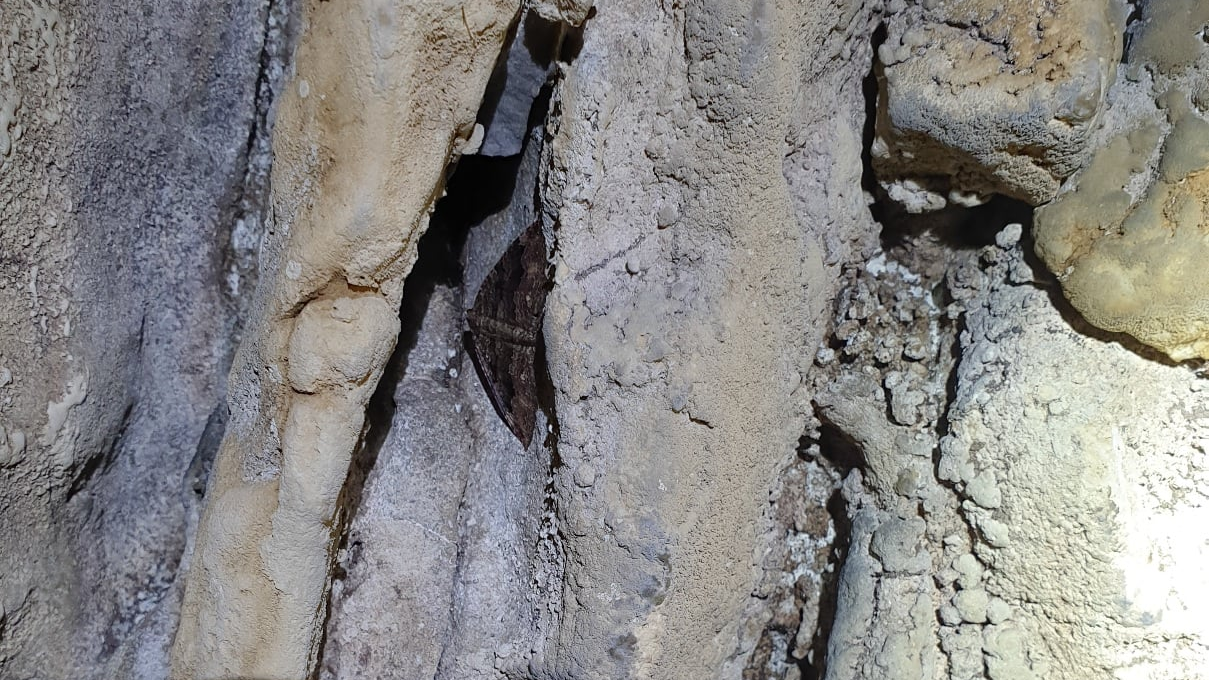
Perhaps they congregate in sites in Autumn to mate, but once that is done they disperse to smaller hideouts where we can’t fit to find them. This might help a population reduce the risk of a predator discovering all of them at once. It’s a stratagy that makes sense, but given that well over a hundred remain on show throughout the winter in some of the Yorhsire sites, it certainly isn’t a strategy that all Tisse adopt.
 Moth World